Against many odds, and after three marathon years of negotiating like it was a geopolitical reality show, the nations of the world, yes, those ‘united’ nations that can barely agree on what day it is, have pulled off something extraordinary: a global pandemic treaty.
Cue the confetti cannons and cautious optimism.
This isn’t just another UN document collecting dust in a Geneva filing cabinet. No, dear reader. This is a blueprint, a hopeful, ambitious, and surprisingly human-centred attempt to make sure the next time the world faces a deadly pathogen, we don’t end up repeating the messy and mad scramble of COVID-19.
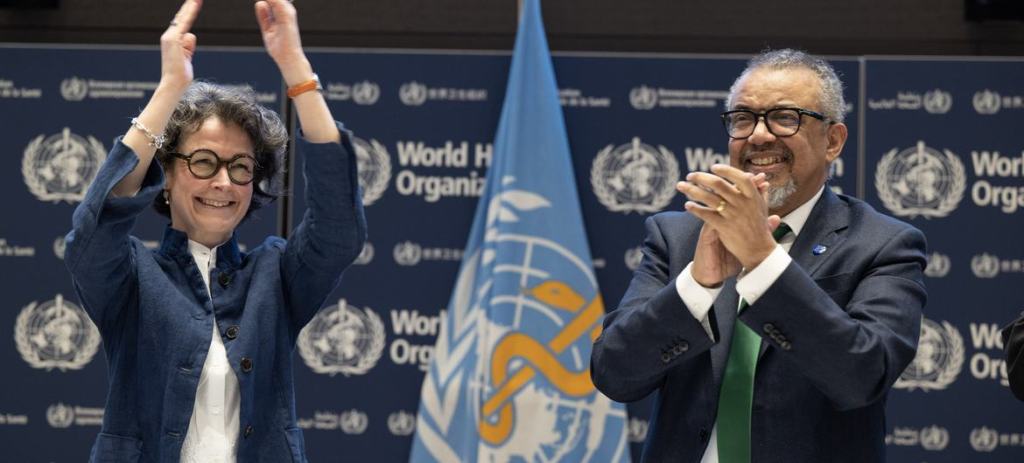
As WHO Director-General Tedros said (possibly while holding back tears of relief), this agreement shows that multilateralism is not dead yet. In a world that feels increasingly divided, 194 countries agreeing on anything, let alone global health security, is a cause for applause, and maybe even a standing ovation.
So, what exactly did the world just agree on?
After 13 negotiation rounds, a few breakdowns, and what we imagine was enough coffee to fuel a small nation, countries finalised the text of the WHO Pandemic Agreement. And here’s what it includes (in simple, snack-able bites):
“One Health” Is Officially a Thing
For the first time in treaty history, countries acknowledged that human, animal, and environmental health are all connected. That’s right! Preventing pandemics means also protecting forests, farms, and Fido.
Stronger Health Systems
More support for national health infrastructure, because let’s be honest: duct-taped hospitals and underpaid nurses won’t cut it in a future pandemic.
Pathogen Access & Benefit-Sharing
If a country discovers a virus (you know, like “Patient Zero” style), they’ll share it, and in return, get access to any treatments or vaccines developed from it. The idea is simple: you share the threat, you share the solutions.
Vaccine Equity, Please
Manufacturers are encouraged to reserve 20% of pandemic-related products (like vaccines and meds) for WHO. Think of it as a global rainy-day stash. Sure, it’s not mandatory, but it’s better than the “every-country-for-itself” vibe we saw in 2020.
Technology Transfer (With a Catch)
Yes, countries agreed to help each other with tech, knowledge, and know-how, but always on “mutually agreed terms”. Translation: it’s still voluntary, and Big Pharma doesn’t need to clutch its pearls just yet.
Global Supply Chain Coordination
Because the last time we ran out of masks and PPE, it was not exactly a good look.
So far, so hopeful…
Honestly? This is huge. It is not just legalese. It is a sign that the world learned something from COVID. It is a first-of-its-kind, legally binding global commitment to equity, access, and accountability in the face of public health emergencies. This is a win for multilateralism.
The agreement now heads to the 78th World Health Assembly in May, where countries will debate, adopt, and hopefully ratify it. If they do, we have got ourselves a new global safety net, the kind that could actually save lives next time.
…But let’s keep it real
As historic and hopeful as this treaty is, it is also far from perfect. And it is okay to say that. Hope and critique can coexist.
Some of the big dreams didn’t make the final cut:
- No dedicated pandemic fund: A proposal led by African countries to finance preparedness did not survive. So, we have got plans, but no guarantee of how to pay for them.
- Tech sharing is still mostly optional: Developed countries wanted to keep things “voluntary” when it comes to giving up control of vaccine recipes and medical tech. Equity… but on their terms.
- No clear compliance mechanism: There is no “naughty list” if countries don’t follow through. No fines, no formal accountability. It’s more “honour code” than enforceable law.
- Still fuzzy on benefits: The system for accessing pathogen data sounds good on paper, but the guidelines on what you actually get in return are vague enough to drive a viral outbreak through.
- Civil society concerns: Civil society are worried that the treaty is too soft, too slow, and still leaves developing countries vulnerable. Some called it a missed opportunity to flip the script on health injustice.
Where do we go from here?
Implementation, baby.
The treaty, once adopted, still needs to be ratified, translated into national policies, and actually followed. There will likely be an opportunity for countries to place ‘reservations’ on certain elements they might be unhappy with. Since there is no enforcement squad hiding behind WHO’s logo, it is up to all of us, citizens, civil society, journalists, and yes, people like you, to hold our governments accountable.
This treaty may not be perfect, but it is progress. It is the first real attempt to rewrite the global rulebook after a health crisis that shook the foundations of our world. It tells the next generation: “We didn’t just sit around blaming bats and billionaires. We tried to do better.”
And that, this very display of multilateralism in action, is something worth fighting for.
 Intergovernmental Support
Leave a comment